Theodore Hawthorne
Born: July 27, 1870 | Portsmouth, Hampshire, England
Died: ??? ??, 191? (age 4?) | Antarctica
Cause of death: Shot with a pistol by Alfred Hawthorne
Rank: Commander
Height: 5' 11" | ???cm
Polar experience: Two expeditions
Very kind-hearted towards his men and earnestly wants to see them doing well and being happy. He wouldn't be able to recognize or admit it, but internally he has a somewhat inflated ego due to having done what he perceives as countless good deeds for his men and others that he has impacted. Patriotic and willing to do anything for his country. Tends to view things in absolutes. Trusting, almost to a fault; might believe whatever he is told without thinking more critically about it.
Biography
Early life and career
Theodore Hawthorne, often called Ted by his companions, was born to a well-off family in the coastal city of Portsmouth in late 1870. He was the third-born of four sons, with older brothers John and Ernest, and younger brother Alfred. Growing up right on the doorstep of the British Empire's largest and greatest naval port, the young Theodore harbored ambitions to join the Royal Navy and serve his country and queen with pride and vigor. He joined as a first class volunteer in 1884 at age thirteen, and Alfred, who had latched onto Theodore as a role model at a young age, followed his footsteps several years later. The two brothers worked their way up the ranks, each becoming well-respected, high-ranking officers in their own right. Theodore worked hard to prioritize the needs of his crew, and he was very well-respected among them for this reason. And he had always been told that the Empire was doing so much good for its subjects, civilizing them and bringing them into the modern Victorian era. He felt deeply proud of these accomplishments, earnestly believing all the lives that he touched had been changed for the better.
Ambitions for Antarctica
Although Theodore was content with serving in the Navy, he started to have aspirations for something even greater and more noble that he could do, not just for his country, but humanity as a whole. He had been keeping close tabs on the developing "competition" to conduct research on Antarctica and be the first to reach the South Pole. He had a deep respect for scientists of all kinds and the research they conducted, and what better man than him to grace them with the opportunity to study the world's most inhospitable continent?
Theodore secured himself a position as lieutenant on Robert Falcon Scott's Discovery Expedition, his first experience with the polar regions. He adapted to the harsh conditions perfectly well, and went on to join the Nimrod Expedition, led by Ernest Shackleton. Shortly after his return to the United Kingdom in 1909, there were talks to mount yet another expedition, one that would succeed where Shackleton had so narrowly failed and reach the Pole. He saw this as his best chance, and made use of the contacts he had to make sure his name was in the discussions of who should lead such an expedition. This, as well as his kind-hearted, yet unwaveringly goal-driven nature, paid off and he was selected to lead an expedition that received support from both the British government and many scientific societies. The voyage was to be undertaken by the ship Enlightenment, on June 1910.
The Enlightenment Expedition
Appearance
Gallery
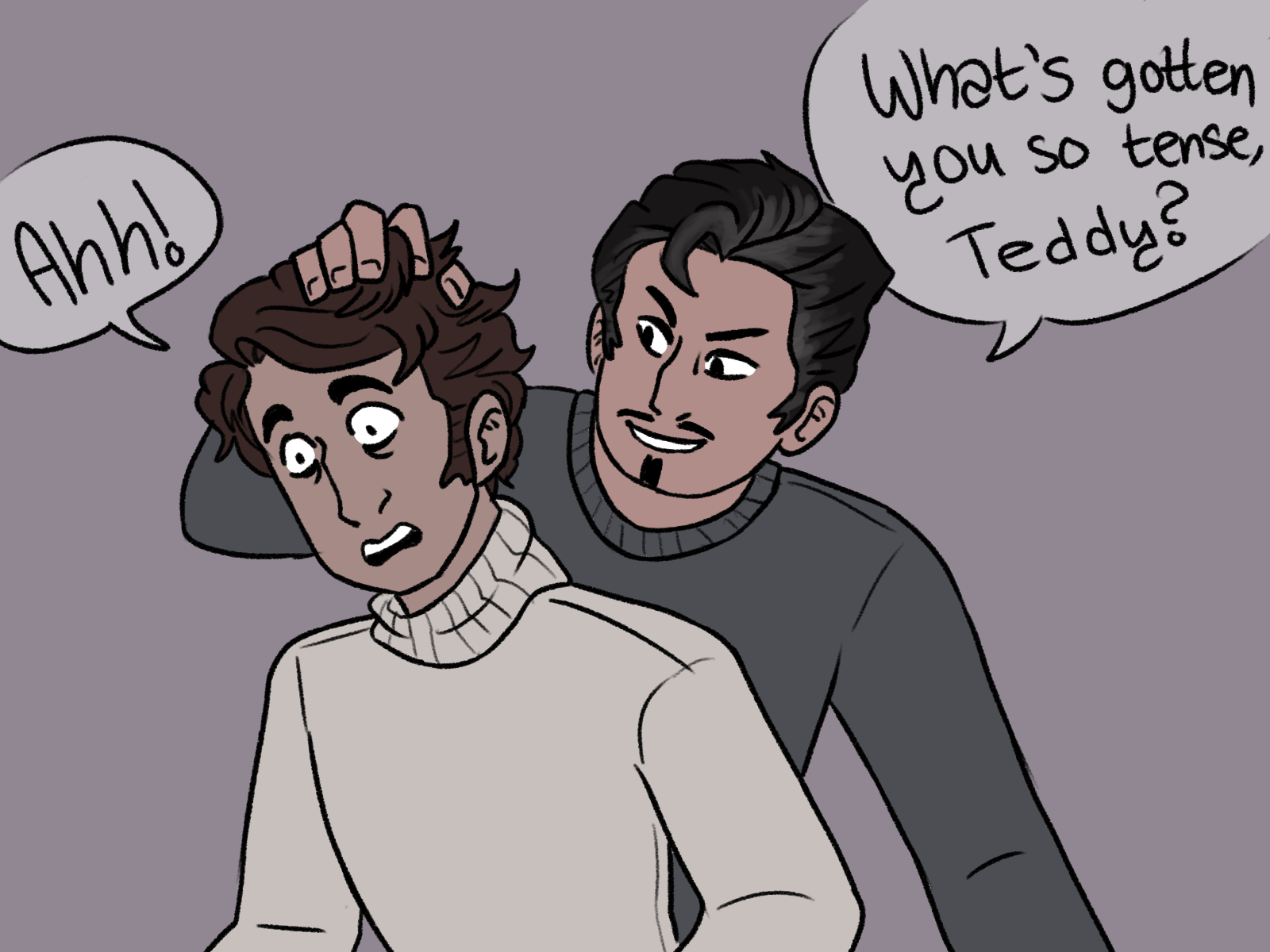
Doodle - 2021
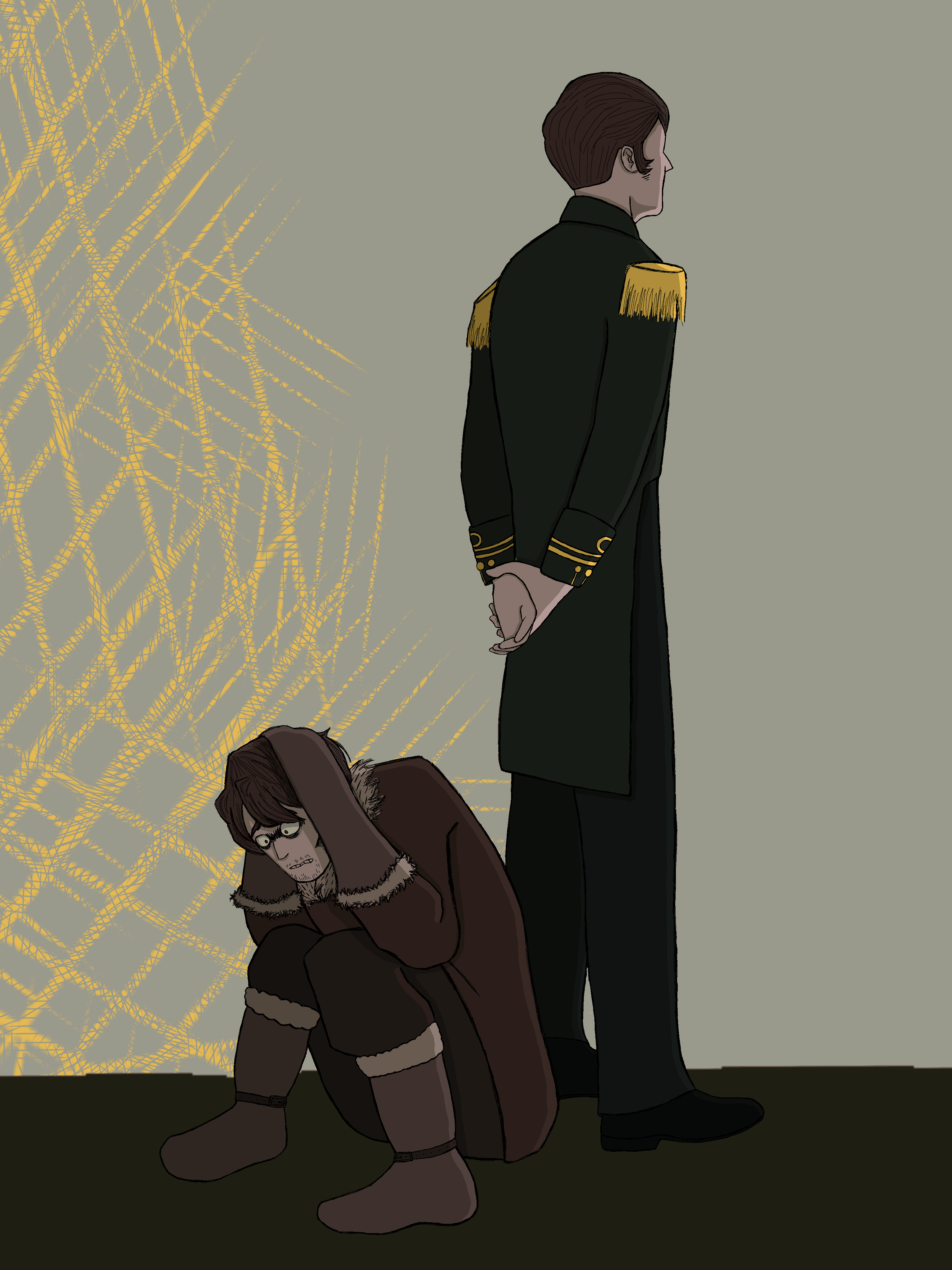
Art by Robee - 2021
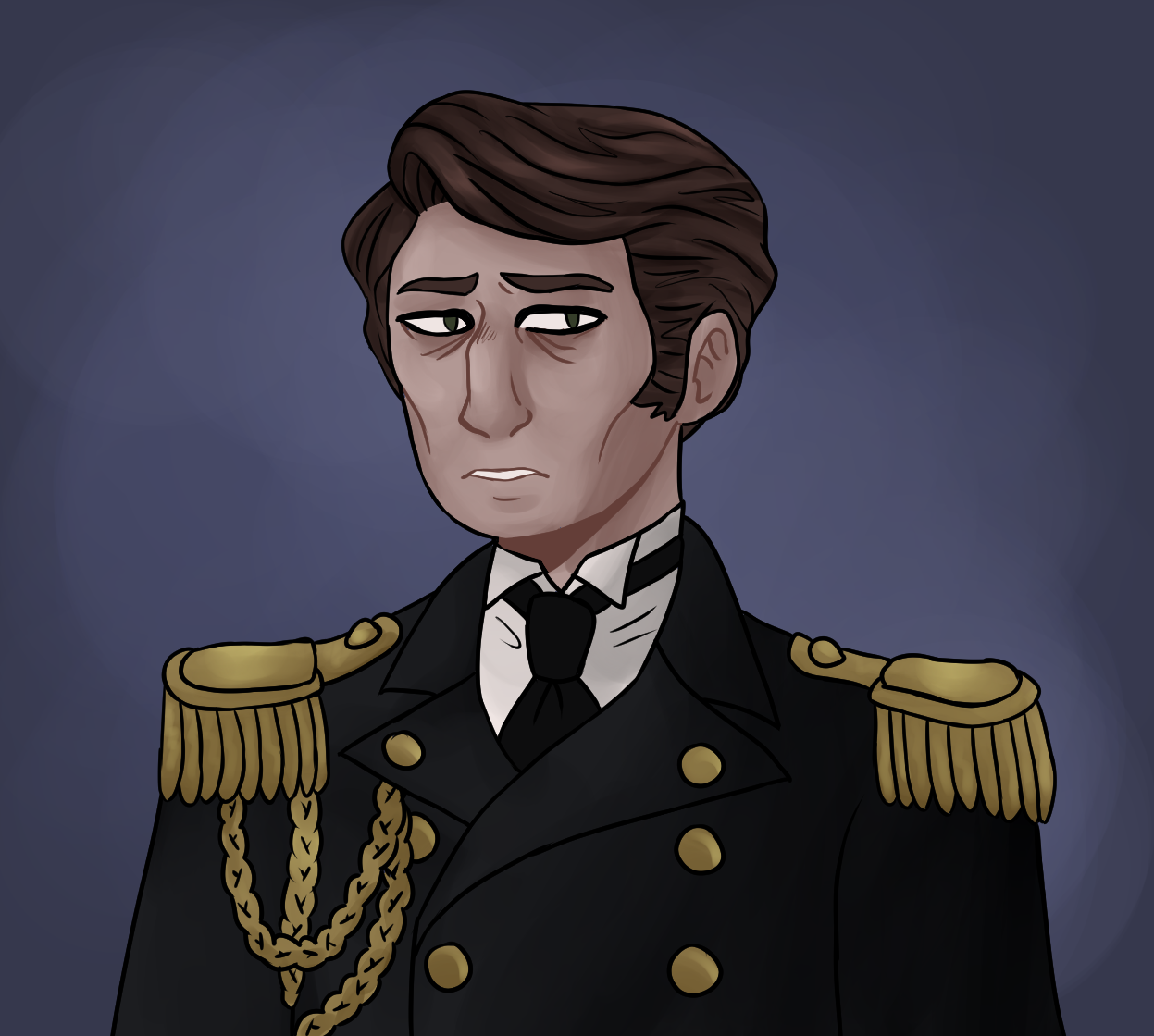
Portrait - 2021