The Enlightenment Expedition
Quick stats
Created: November 2021
Main inspirations: Return of the Obra Dinn; The Terror; The Thing; the Terra Nova expedition (real event)
Setting: Antarctica and the surrounding waters, during the Heroic Age of Antarctic Exploration (the early 1910s specifically). Most of the world is the same as ours, except for supernatural forces inhabiting the southernmost continent.
Genre and themes: Horror (existential/body); historical fiction; humanity's relationship with nature; the meaning of leadership.
Story Overview
An Early Omen
In the year 1909, Captain Theodore "Ted" Hawthorne of the Royal Navy was selected as the man to command the United Kingdom's next expedition to Antarctica. It was not an official government-organized affair, but rather one conceived by the country's scientific societies. Its main goal, as was the case for many other expeditions at the time, was the gathering of scientific data, but Hawthorne also had ambitions to become the first to reach the South Pole, a still hotly-contested title, and one that he wanted to earn for the glorious British Empire. Another secondary goal of the expedition was to showcase the talents and strong characters of men from across the Empire, and it was ensured that a wide variety of people from all across the United Kingdom and its colonies were selected to participate.
The initial voyage mostly went off without a hitch, and so did the initial weeks of constructing the shore camp when they landed at Antarctica's coast in January 1910. That is, until a strange disease began to manifest in some of the crew, particularly the seamen, and sleigh dogs. The symptoms appeared to match those of scurvy and the surgeons ran with this idea, despite the dog handler, Kyrre Mortensen, pointing out that it isn't possible for dogs to get scurvy. This was unfortunately ignored, as Captain Hawthorne did not trust his judgement on this particular matter. Symptoms progressed until the surgeons had to face the fact that they are dealing with something much more serious and less understood than scurvy. They dubbed the mystery illness "Austral hypothermia" and continued to monitor patients and give what relief they can.
Bloodshed
While caring for some of the sick dogs during the time most of the crew are asleep, Mortensen was brutally attacked and killed by a monster, with no witnesses around to see it. Captain Hawthorne was also present at the scene, covered in blood and unconscious. Why he was near the dog kennels at such a time, he did not remember. The injuries Mortensen sustained were obviously impossible to be inflicted by a human in such a short amount of time though, and so any possibility of him being responsible for this tragedy was dismissed by those in command. Hawthorne had also sustained injuries, so it seemed that he had somehow survived an attack from the same creature.
Needless to say, the experience put the crew on edge. What sort of creature could have done this? Why had nothing like this ever been found by previous expeditions? Who will be its next victim? One of the zoologists on the scientific team, Lawrence Brewer, was intent on further documenting this possible new discovery and requested for a sledging party to be arranged, to trace the coast and try to find the creature in its natural habitat. Hawthorne approved the party but chose not to participate himself, despite Brewer and some others expecting him to do so as penance for surviving the attack that Mortensen did not. Instead, Brewer was accompanied by one of the lieutenants and two petty officers, armed with rifles in case things got dicey.
On this trip into the Antarctic wastes, the group encountered a large, aggressive creature that they could only assume was Mortensen's killer. Murphy, in his haste, shot the thing as soon as he observed it attacking some penguins, despite Brewer wanting to observe more of its behavior while still alive. Regardless, they collected the beast's carcass and hauled it back to camp. An autopsy was conducted, but Brewer quickly came to a harrowing conclusion: the snow griffin, as the crew decided to call it, was not what killed the dog handler. The snow griffin, with its avian beak, did not have any teeth, while Mortensen's skin was torn to shreds by hundreds of toothy bites.
Terminal Illness
Late-stage Austral hypothermia involved the afflicted person's body quite literally freezing over, almost as if their very bodies were literally turning into ice. This was very painful and immobilizing for the patient, and so the surgeons attempted to treat this by sitting these men in front of stoves to warm them up. To their horror, they checked on three of these men a few hours later to see that they, much like ice, had melted from the heat and had fused together into a single, horrifying, painful body. These men were moved into the surgeon's office full time so that they can be monitored more closely.
UNDER CONSTRUCTION :-)
Characters
Hint: the ones with profile images have a decent amount of their stories written

Theodore "Ted" Hawthorne
Expedition Commander
Alfred Hawthorne
Captain of Enlightenment
Graham Murphy
Lieutenant
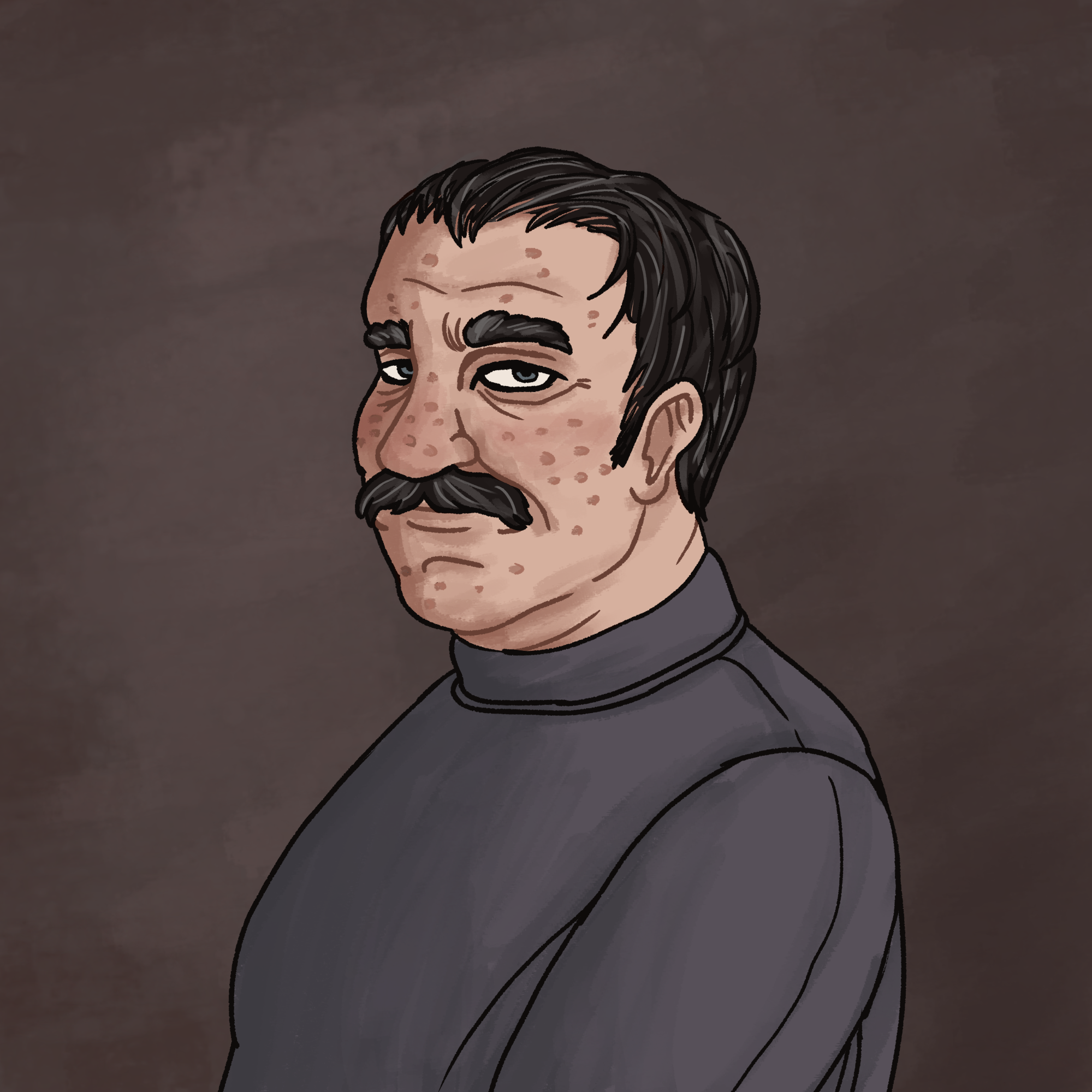
Cecil Rycroft
Surgeon
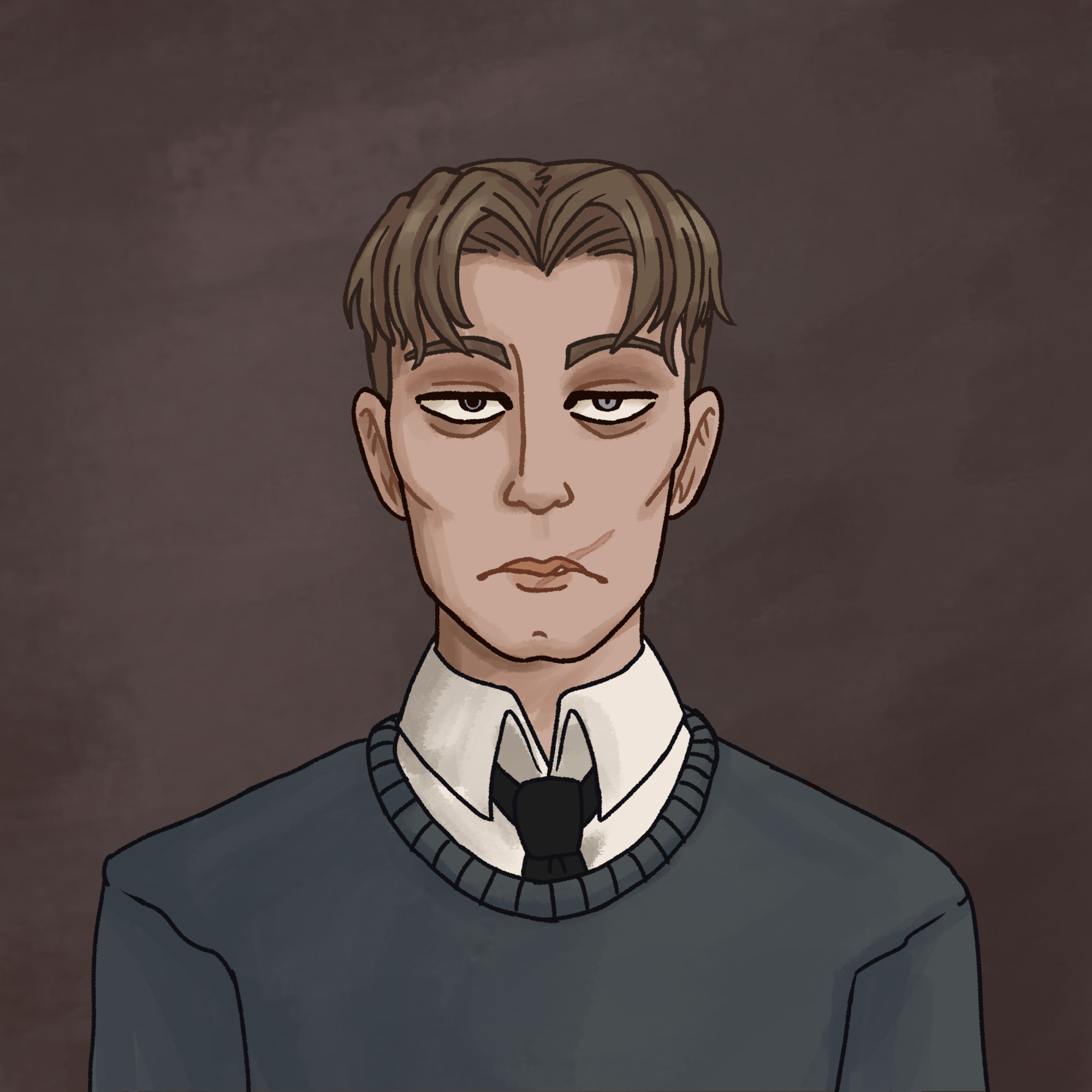
Domagoj "Dom" Evans
Surgeon, microbiologist
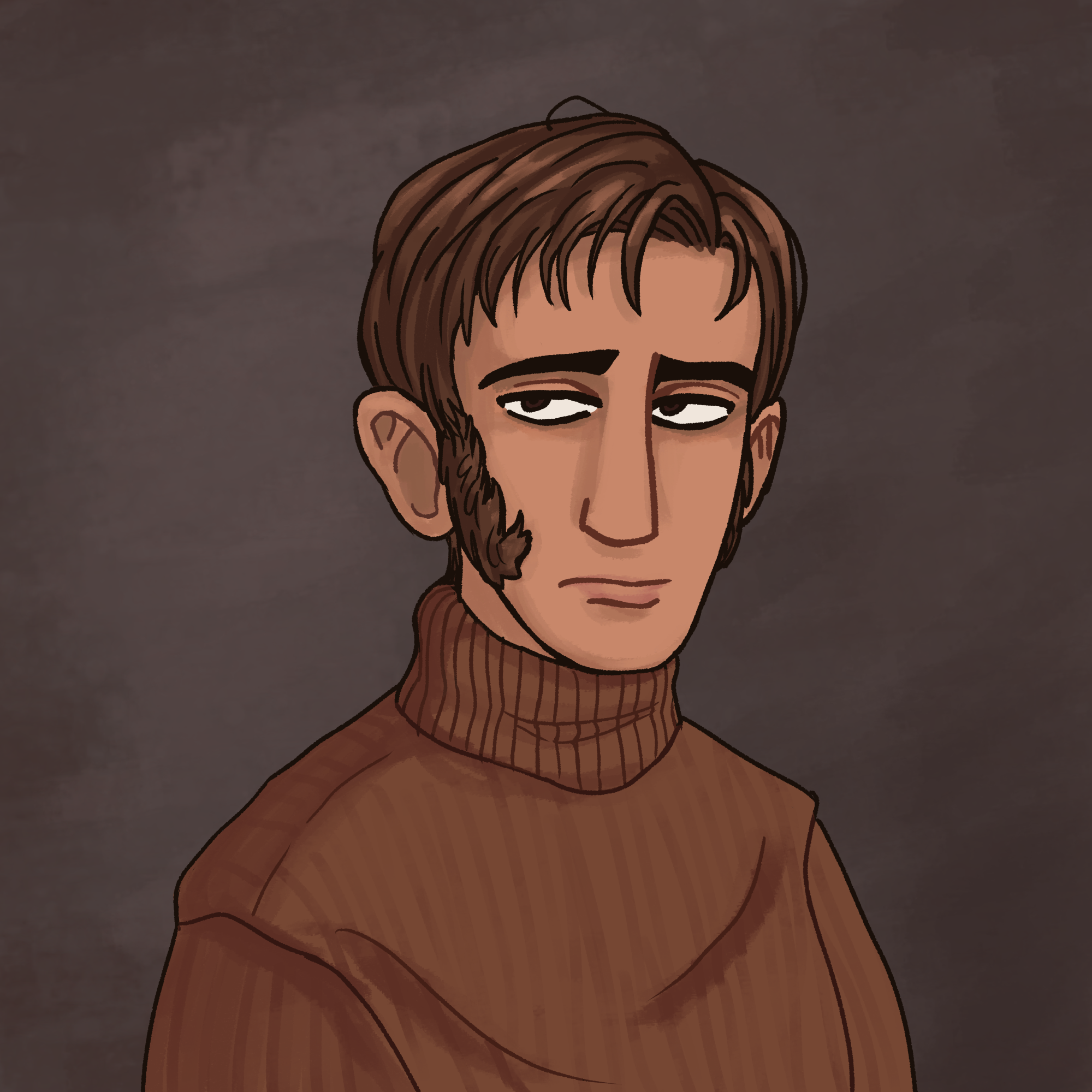
Lawrence Brewer
Zoologist
Russell Hetherington
Geologist
Wilbur Bennett
Meteorologist
Bernard Jones
Meteorologist
Edgar "Eddie" Irving
Photographer
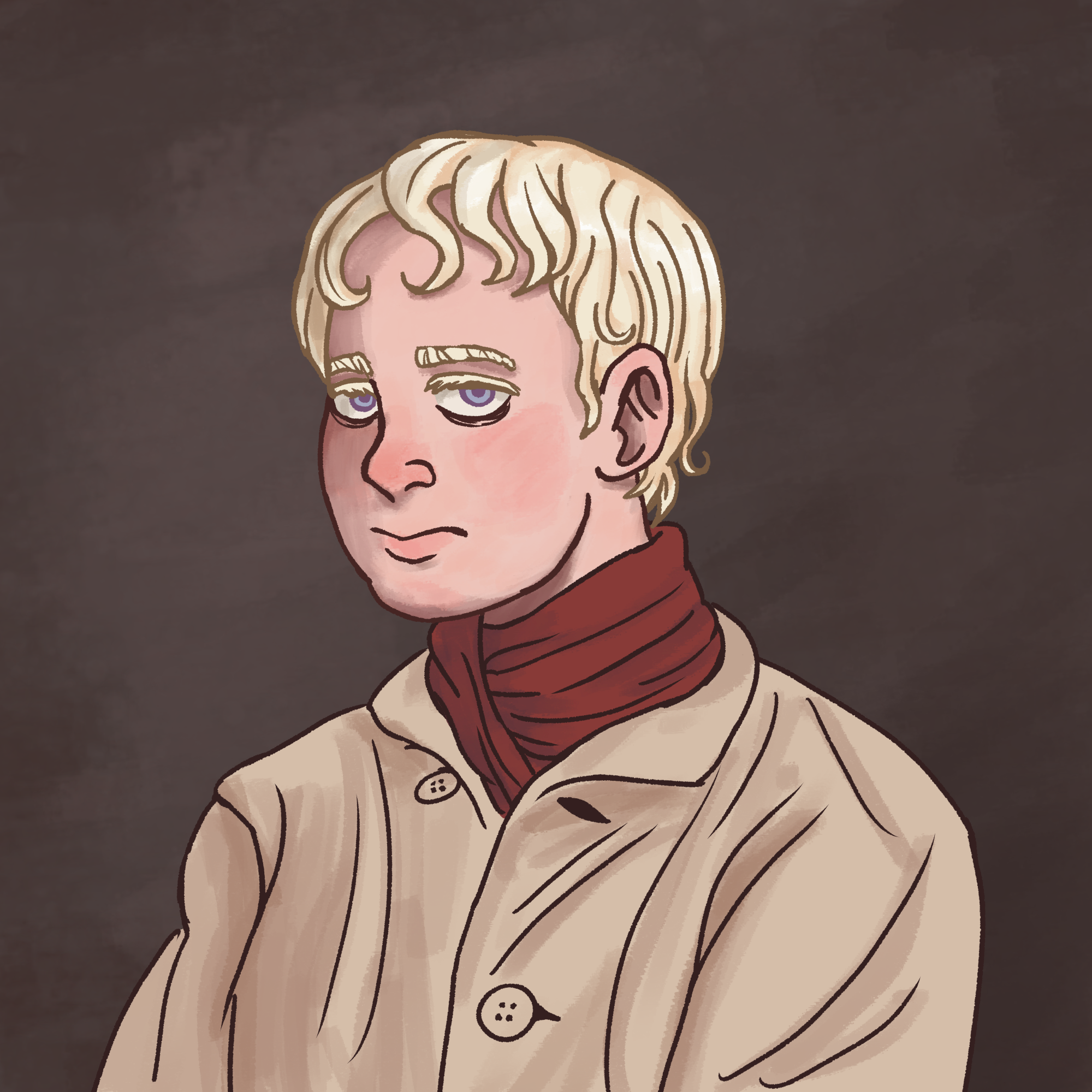
Kyrre "Cherry" Mortensen
Dog handler
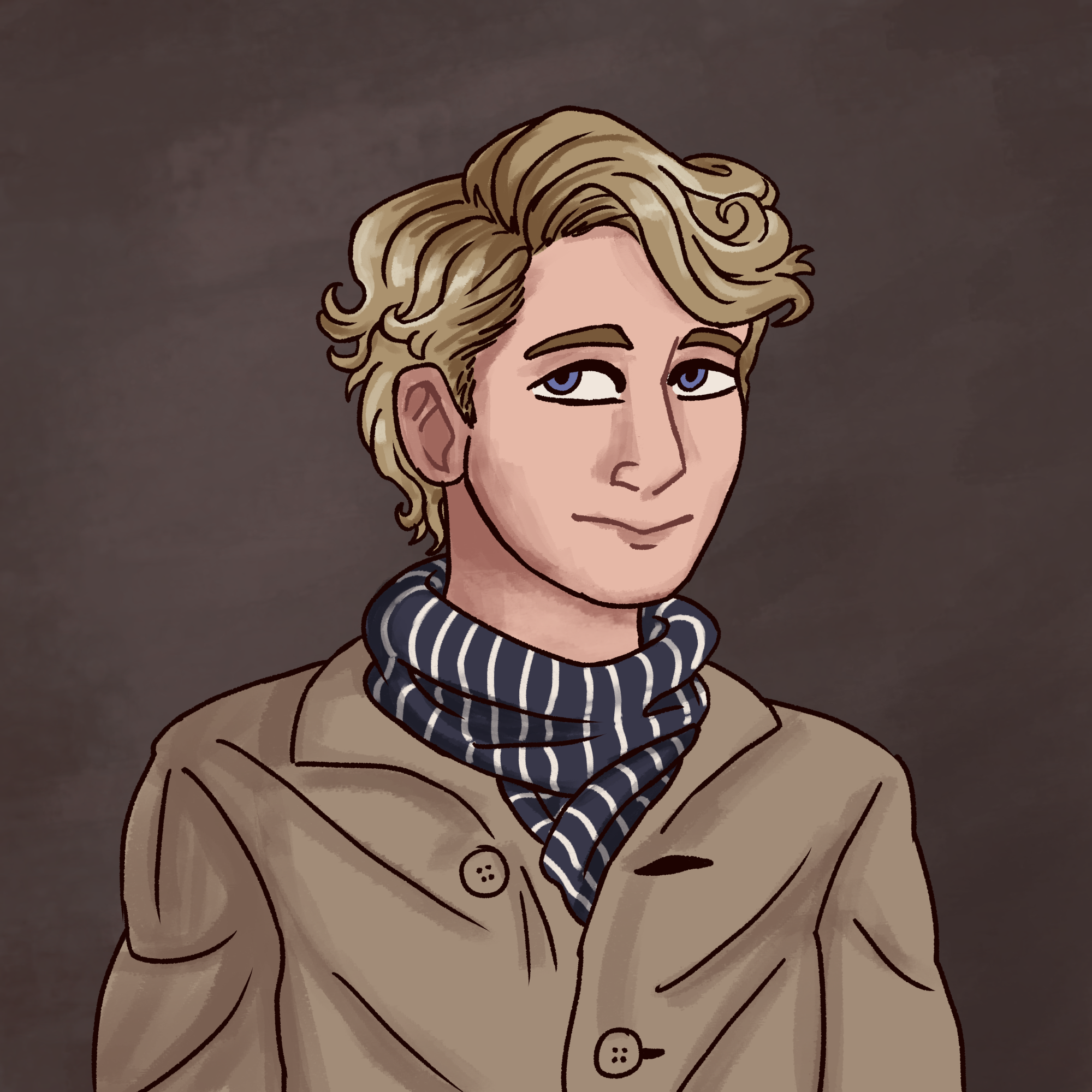
Leopold Cadieux
Seaman
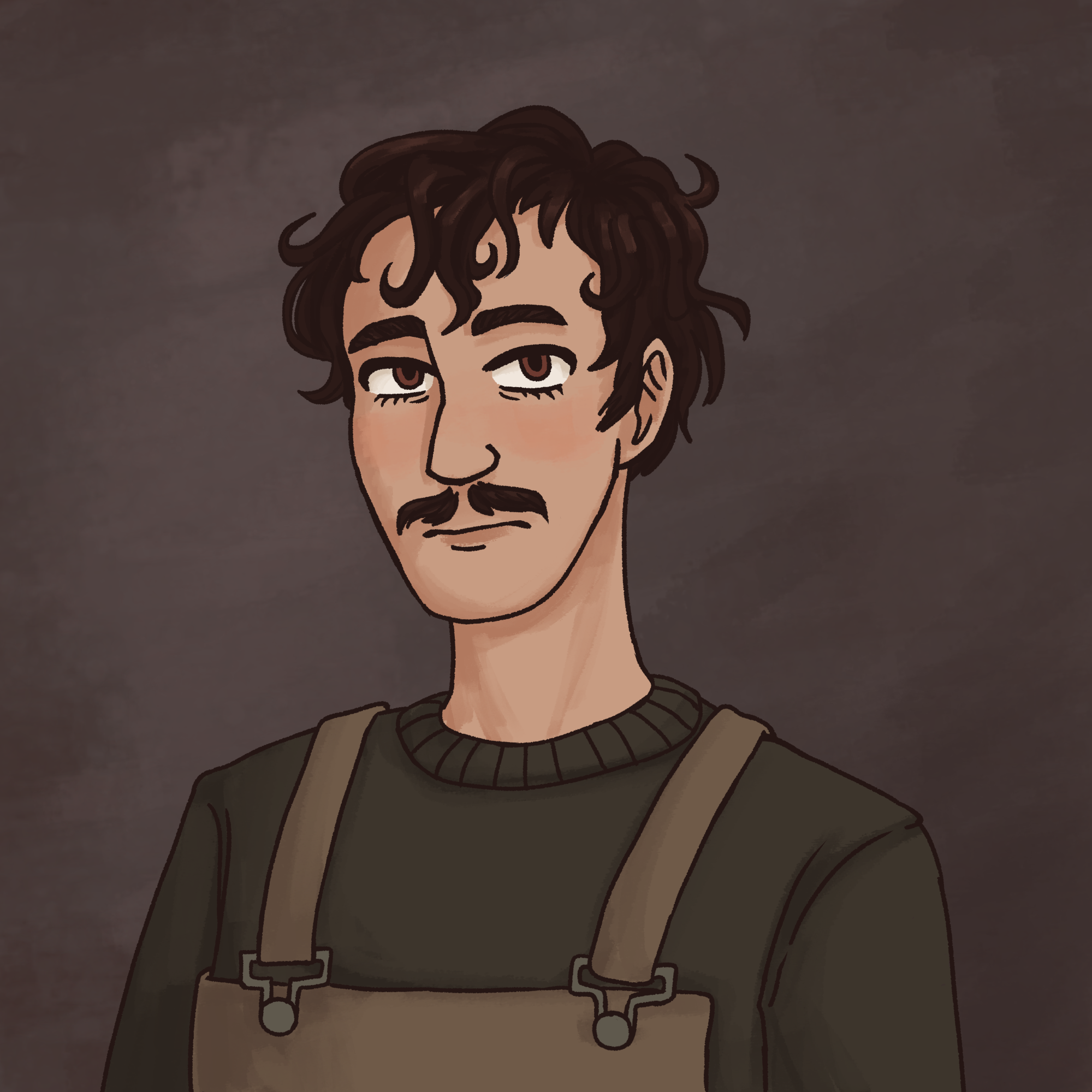
Thomas Devlin
Seaman
Franklin "Frankie" MacIntyre
Seaman

Tobias "Toby" Penrose
Seaman
Marley Roscoe
Seaman
World-building
Austral Hypothermia
Disease
Snow Griffin
Animal
Doppelganger
Animal(?)
Behind the Curtain
I first came up with the general idea for this world after doing some Wikipedia hopping one evening (November 17, 2021 to be exact), where I stumbled upon the page for the Terra Nova expedition and became incredibly fascinated by its story. A TL;DR is that an expedition led by Robert Falcon Scott came to Antarctica in 1910 with the goal of being the first group to reach the South Pole; they were also conducting scientific studies at the same time. However, when a group of five men, including Scott, departed to make that push for the Pole, they discovered that they had been beaten to the punch by a Norwegian explorer named Roald Amundsen. After this slap in the face, a breakdown in communication and questionable decisions resulted in all five men dying one by one during their return trip.
My imagination was captured by this event, and especially by the very poetic death of one of the men, Lawrence Oates, who exited their tent while already frostbitten to prevent himself from being a burden for the others. I was still rather obsessed with Return of the Obra Dinn at this time, so I had picked up a particular interest for stories which featured historical sailors facing disasters, whether they be caused by human nature or supernatural forces. So, I decided to try my hand at coming up with an Antarctic expedition mystery narrative of my own.
Early on, I randomly got a vignette in my mind for one of the early scenes in the story, where the commander of the expedition sees a distant human figure in the Antarctic landscape while departing from his previous expedition. I don't really remember if there was a specific inspiration or reasoning for coming up with this vignette, and currently I'm not even sure it's going to be a part of the story, but it came to serve as the basis for the main plot revolving around Theodore Hawthorne. I thought a suitably surreal and intriguing identity for the figure would be Hawthorne himself. That is how the doppelganger plot eventually progressed into what it is now. It's still very much under development, so I'm not even sure if there ever actually will be two separate Hawthorne entities that are alive at the same time, but maybe I could keep it as some sort of hallucination or dream sequence? It'd be a shame to cut something that was so important to the development of this story.
Developing this story has been a long road, to say the least. There's a lot of story beats that need to happen for things to be able to go like I'm wanting them to, and there are so many characters to manage. Trying to manage the timeline easily gets overwhelming. I ended up doing a lot of work in the initial months after coming up with the idea, coming up with the general ideas for the some of the most prominent characters, the doppelganger plot, the illness and melting men, and the death of Kyrre Mortensen and the snow griffin. My attention inevitably shifted elsewhere, for whatever reason, and the story lay dormant for a while. In the following years I made a few small attempts to get back into it and maybe even overhaul the timeline a little bit, but these attempts never really stuck for whatever reason. I guess my heart wasn't fully in it - it felt more like a "task" than a "desire" - and I wasn't really taking the right approach for it. It is good to get the big picture of something, but sometimes, especially for big things like this where you don't really know for certain what the big picture even is, you have to focus more on individual characters and how they're responding to the plot beats you already have.
Getting started on this website and deciding to dedicate a huge chunk of it to my OCs was a great motivation to get back into working on the story again. Like I mentioned, focusing on each character one at a time, only focusing on the early parts of the story that I know are going to be happening and how they'd interact with it has really helped move things a lot. Things are a lot different now (some of the biggest differences are mentioned in the trivia section of various characters' pages), and I have a much better idea of what the story's themes are going to be. Out of all my stories, I am the most determined to see this one through to its conclusion because of its potential and my own emotional investment into seeing how the story concludes.
Whenever I do get this story finished, I'd definitely love to turn it into a game of some sort. Naturally, taking a page out of Obra Dinn's book, I'd want it to be a mystery/detective game. I'm so in love with that genre that I've wanted to make one of my own for the longest time and I think the Enlightenment Expedition would make for a perfect vessel, with its unique setting, plenty of secrets and mysterious events, and lots of death. I don't really know much about game development right now, but once this story is done I'll definitely focus on learning how to make games so people can finally experience this story that has been cooking in my head for way too long, hehe.